

THE first quarterly report from continuous water quality monitoring on the River Wye has been released, highlighting the impact of the hot and dry summer.

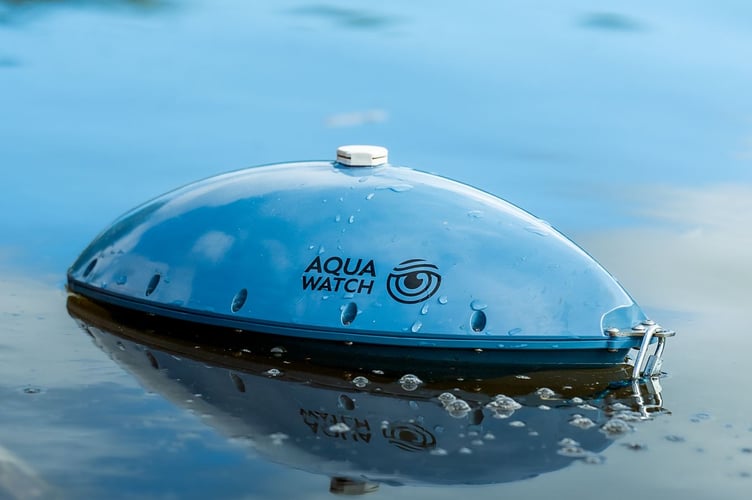
Report authors AquaWatch and Haigh Environmental released a monitoring buoy device last June which collects readings such as water temperature, dissolved oxygen, pH, turbidity and electrical conductivity every 15 minutes, generating more than 35,000 measurements over the quarter.
It showed that the heat and algal growth hit levels that can cause thermal stress to fish, leading to declining growth rates and potential adverse effects on cellular function that can cause death.
The report on the data collected by the buoy says: "Of the conditions we measure, heat was the biggest pressure on the river's inhabitants this quarter.
"Oxygen and pH showed strong plant and algal growth through the hottest weeks.
"The warmest recorded reading was 27.9°C, at four in the afternoon on 26 June...and approximately 1 in 10 readings were above 24°C.
"In water that warm, salmon and trout experience thermal stress, which means that growth rates decline, and there can be adverse effects on cellular function leading to mortality.
"As a consequence, fish tend to seek out cooler, deeper water and feed less."
Almost half of all readings were below the 9mg/l oxygen level identified as comfortable for salmon and trout, with around six in 10 of those lower readings occurring overnight.
The report links the daily changes in oxygen and pH during the summer to plant and algal growth, with oxygen levels during daylight rising as plants and algae photosynthesised, before falling overnight.
The ph level was also above 8.0, the upper end of the ideal range for salmon and trout, for much of the quarter, reaching 9.2 and regularly approaching 9 on August afternoons.
AquaWatch and Haigh Environmental say the reports will be published quarterly, with the next report due in December.
Comments
We've recently changed our login process. If you have an account for commenting, you will need to re-register on the login window.
This article has no comments yet. Be the first to leave a comment.