

There is a famous quote, usually attributed to Benjamin Franklin, that “in this world nothing can be said to be certain, except death and taxes.”
And of these, planning for our own death is probably the last taboo subject.
In my experience people can get very emotional when considering their own, or a loved one’s death and they put if off, often until it is too late to ensure that their wishes are known, which is why I think the Death Cafe at the Courtyard is such a good idea. It is an opportunity to open up about all aspects of dying.
Topics covered can vary from the spiritual side of death to its practicalities for relatives.



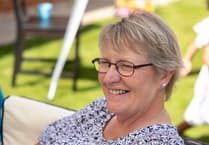
Or, you meet someone like Margot Williams, who is extremely matter of fact about the subject and considers it in the same way most people take out home insurance.
She said: “It is there for when you need it and, once you have it in place, hopefully you do not have to think about it again, until it is time to review it.” Margot suggests that an Advance Decision, often known as a Living Will is reviewed every two years as people’s feeling can change as their circumstances change.
An Advance Decision is a way to help prepare for the end of life. How to talk about it, plan for it, and record your wishes and, as Margot said, it is much easier to do this if you are not at, or nearing the end of your life.
She would really like people to do this when they are young, as she said the ideal death is to go peacefully in your sleep after a long, happy and pain frees life, however, it is not always like this and really tough decisions sometimes have to be made by other people.
For the medical team this means they often feel as if they are doing too much, trying to resuscitate a patient who is very frail and elderly, knowing they are causing damage such as broken ribs while they are trying to prolong a life. For family members it may mean having to make decision for someone who no longer recognises them.
Dr Simon Lennane recommended the Compassion in Dying website. There is a lengthy form you can complete, it is a good idea to do this with your next of kin, a partner or parent and to talk it over with the people that matter to you, or a heath care professional, and is a way people can record their wishes for care in a legally binding way.
Margot said that completing it made her think about what she most values in life. She said you can change your mind at any time, and what is important to remember is that the plan is only used when you lack capacity. So if you still have capacity to make decisions about medical treatment, your Advance Decision will not apply.
The plan is there just in case a time comes when you can’t make decisions so that you get the support that’s right for you, when you need it. When what matters most to you is known and recorded, it makes it easier for your family, friends and healthcare professionals to follow your wishes, giving everyone peace of mind.
For more information about the Death Cafe at the Courtyard contact Sarah in the Supportive Care and Rehabilitation team at St Michael’s Hospice on 01432 851 000.See this week’s paper for more stories like this, available in shops and as a Digital Edition now.
Comments
This article has no comments yet. Be the first to leave a comment.