

Anyone concerned about the problems Japanese Knotweed might cause to their property will be able to access lots of information during the fourth Invasive Species Week which is taking place between March 23rd - 29th.
Alan Martin, of the Nature Conservation Service, based in the Forest of Dean told the Ross Gazette that the next two months is the time to tackle this invasive plant.
Native to Japan, China, Korea and Taiwan, Knotweed was introduced into the UK in the mid-1800s. It is very successful in colonizing disturbed areas and has become a serious problem in the United Kingdom.
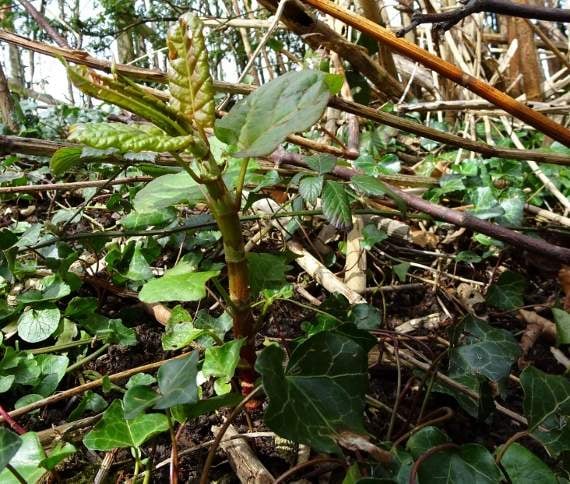
JK is an herbaceous perennial that produce new shoots from rhizomes (roots) and crowns (root balls) anytime from March onwards each year.




The new growth look like asparagus shoots and growth is rapid: Japanese knotweed stems can grow 5-10 cm per day in the spring.
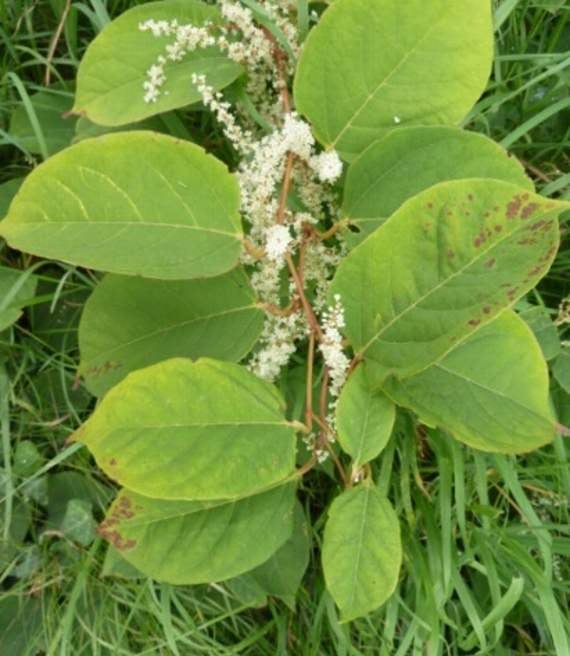
JK produces tiny clusters of creamy – white flowers which are present from August to October each year. It is spread by fragments of the roots or plant, when knotweed patch are mowed, brush cut, disturbed or excavated and moved off site. Rhizomes from plants growing along a riverbank are often broken off and float downstream.
It is an offence to plant or cause Japanese knotweed to be planted or spread, and waste must be handled responsibly at all stages
JK is known to push up through car parks and drives and it can significantly reduce the value of the property.
Comments
We've recently changed our login process. If you have an account for commenting, you will need to re-register on the login window.
This article has no comments yet. Be the first to leave a comment.