
Dear Editor,
I would like to respond to the article ‘Biddlestone Orchards planning applications are dividing opinions’ on January 10th, 2018.
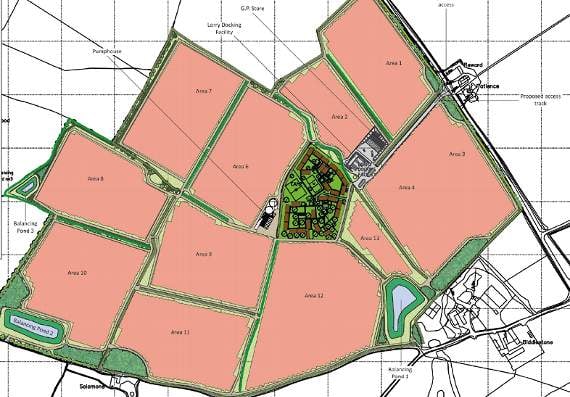
The information in this article is misleading on several counts: Firstly, the seven applications are all separate applications; with seven separate application numbers, not all linked under one application number as implied in your article.
You state that the development proposes to ‘extend the soft fruit growing facility…’. There is currently no soft fruit cultivated on the site. The previous landowners grew primarily apple and cherry orchards, soft fruit grown outdoors in the ground, as well as rotational food crops such as beans and peas etc.
.jpeg?width=209&height=140&crop=209:145,smart&quality=75)

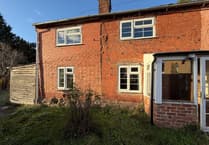

The facilities used to process these crops have since been converted to domestic dwellings. Since purchasing the land some years ago, the applicant has used the land to grow maize to ‘feed’ his nearby anaerobic digester and staple food crops such as potatoes. Therefore, to state that the current application is an extension of soft fruit growing on this land is not only misleading, but factually incorrect.
The statement, that there is expectation that the work will improve problems with flooding, is also incorrect. The area already floods frequently. If 80 acres of ground, which would normally absorb rainwater, is covered in plastic, the result will be significant runoff, thus increasing flood risk. The calculations for the attenuation ponds, as presented in the relevant application, are based on average rainfall, not worst case scenario. What will happen during periods of above-average rainfall or episodes of exceptional rainfall, when the attenuation ponds are already full, or rainfall exceeds their capacity? The banks of the ponds will be breached and uncontrolled runoff will cause severe flooding. UK weather patterns have become more unpredictable in recent years and have already caused severe flooding in many areas.
While limited short-term local jobs may be created for the duration of the construction period, there will be no long term employment opportunities for locals. The application makes it clear that the workforce will consist of migrant workers and that there will be no staff parking on site. There is no nearby alternative parking on the surrounding single track country lanes, no public transport links within 1.5 miles and no safe pedestrian or cycle access along the A4137, which has been cited the fourth most dangerous road in the UK by an AA-led survey. This would make it impossible for local workers to safely access the site.
Moira Robson
Llangarron
Editors note: the information given in the article was gleaned from the application. It was also stated that one planning decision would depend on all the other planning applications therefore they could be considered as linked.
Comments
We've recently changed our login process. If you have an account for commenting, you will need to re-register on the login window.
This article has no comments yet. Be the first to leave a comment.