
FOLLOWING on from the cancellation of Ross Regatta, the town’s duck race and the Raft Race in Monmouth, Natural Resources Wales has warned that wildlife, habitats and rivers may take many months to recover from the effects of prolonged drought.
The warning is particularly significant for the River Wye, where very low river levels and high-water temperatures have placed additional pressure on fish, wildlife and the wider river ecosystem.
The River Wye is an important freshwater environment supporting a wide range of plants and animals.
However, recent drought conditions have reduced natural river flows and affected the availability and quality of habitats.
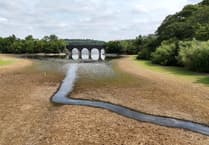
Natural Resources Wales reported that some of the lowest river flows were being recorded across the area with the River Wye being among the rivers experiencing exceptionally low levels.
The effects of drought extend beyond the river itself. Wetlands, riverbanks, grasslands and other habitats can become increasingly dry, affecting plants and the insects, birds and mammals that depend on them.
Whilst drought can add to existing environmental problems the River Wye, which is also suffering from nutrient pollution, sediment, historic changes to river channels, loss of natural riverside vegetation and invasive species.
The message from Natural Resources Wales is that rainfall can restore river levels relatively quickly, but ecological recovery takes much longer.
Plants need time to regrow, habitats need to regain moisture and fish, and other wildlife need stable conditions to recover their populations.
The Welsh Government sponsored body has previously warned that it can take many months for rivers, groundwater, habitats and wildlife to fully recover after drought.
The recent drought demonstrates how extreme weather can expose the vulnerability of already pressured ecosystems.
Protecting its future will require sustained rainfall as well as long-term action to improve water quality, restore natural habitats and make the catchment more resilient to increasingly frequent droughts.
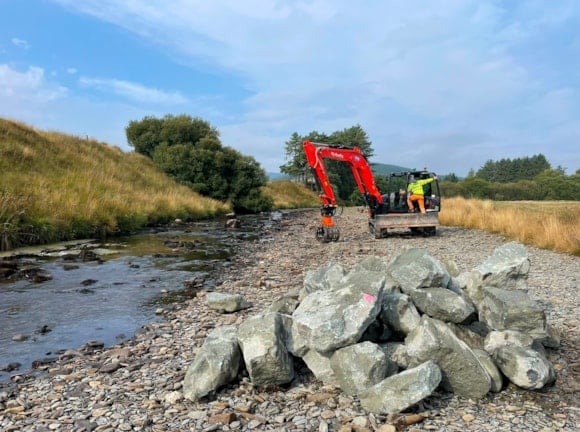
And as part of this, Natural Resources Wales has Natural Resources Wales has begun work to reintroduce boulders to the upper sections of the River Wye at Llangurig, as part of a major river restoration project designed to improve river habitat, support wildlife and help restore more natural river processes.
Boulders are a natural feature of the River Wye in this area, but many have been removed from the river over time for various reasons. However, boulders play an important role in healthy river systems, creating different flow patterns and providing pools, shelter and habitat for fish and aquatic invertebrates.
Brendan Adair, project manager for the Upper Wye Catchment Restoration Project, said: "We've spent the last two years building a detailed understanding of this stretch of river through surveys and monitoring, so we can target the work where it has the greatest benefit.
“We're particularly interested in how the reintroduction of boulders can improve survival rates for young Atlantic salmon, a key species that needs all the support we can provide.
“By tackling pressures both within the river and across the surrounding catchment, we can build a healthier and more resilient River Wye for the future."
Comments
We've recently changed our login process. If you have an account for commenting, you will need to re-register on the login window.
This article has no comments yet. Be the first to leave a comment.