

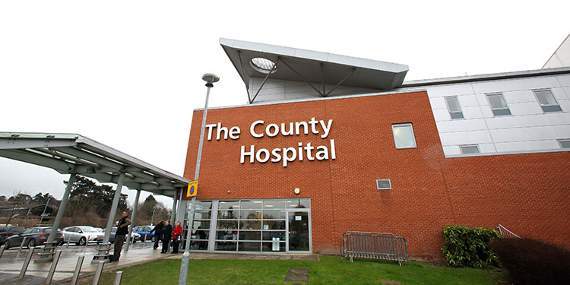
MORE than 1,700 patients had been waiting for at least a year for routine treatment at Herefordshire health services in February this year.
Recent NHS statistics show that a record 1,789 patients, or 12 per cent of those on the waiting list, listed for elective operations or treatment at Wye Valley NHS Trust at the end of February had been waiting for 12 months or more.
Patients referred for non-urgent consultant-led elective care should start treatment within 18 weeks, according to NHS rules.
The statistics show a big increase from two per cent in the year before, and the figure for February is the highest since records began in 2012.




Across England, the number of people waiting for at least a year rose to 387,900, which is the highest total since December 2007 and almost 250 times that of February 2020.
The overall figure for those waiting to start hospital treatment at Wye Valley Trust at the end of February was 14,743, which is an increase of four per cent on January.
The figure for the whole of England was 4.7 million, which is the highest number since records began in mid-2007 and an increase from 4.6 million in the previous month.
The research shows that almost half a million patients have been added to waiting lists since the pandemic began in March last year.
Sarah Scobie, Deputy Director of Research at independent health think-tank The Nuffield Trust, said that while the backlog has surely put a strain on patients who are waiting for treatment, it was no surprise that elective care has had to be postponed due to the second spike in Covid-19 hospitalisations.
“With waiting lists now at the highest number since records began, it is clear that the NHS has been set back years as it faces a battle to clear these major backlogs of postponed care”, she said.
“Returning to the levels of activity seen before March last year will not be enough to meet demand, and we will continue to live with coronavirus for years to come.
“Nearly one in ten patients (8%) are now waiting longer than a year for routine treatment or operations, and these are the highest numbers seen since 2007.
“We shouldn’t underestimate the strain this is putting on these patients who need this treatment.
“But with hospitals and staff working under intense pressure amid the second spike in hospitalisations, it is no surprise that elective care had to be pulled back.
“Healthcare staff have made huge sacrifices during this pandemic, but more will be asked of them on the path to recovery.
“That is concerning when the latest NHS staff survey results in England show that more of them working in Covid-settings have suffered illness from work-related stress.
“Ensuring the wellbeing of staff must be an integral part of any credible long-term recovery plan.”
Comments
This article has no comments yet. Be the first to leave a comment.