


A UN inquiry into poverty has heard evidence of the hardship experienced by people in rural areas as documented by Hereford Diocese.
Eight experts gave evidence at a regional hearing for the UN Special Rapporteur about the effects of austerity and the introduction of Universal Credit. Christine Pepler, Church and Society Link Officer for Hereford Diocese was among those to address the UN Special Rapporteur on extreme poverty at the session in Bristol.
Universal Credit is in the process of being rolled out and people in receipt of the single benefit have reported that moving onto it left them experiencing food poverty. Food banks have also reported high levels of people with mental health issues seeking help.
Christine Pepler said: “I was privileged to be given the opportunity to present evidence to the UN Special Rapporteur alongside people from across England and Wales.


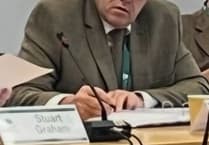

“There were many common themes in what we each said and Professor Alston told us that he was very concerned about the levels of poverty being experienced in such a wealthy country as the UK.
“We described how food banks have been normalised and are becoming an acceptable part of how those experiencing poverty are supposed to survive.
“We look forward to reading the report at the end of the inquiry and hope that the Government will consider carefully what he says and what changes are needed to reduce the damaging levels of poverty that many households are experiencing.”
Many churches are collection points for local food banks and there is a network of food banks and community larders across the area covered by Hereford Diocese, which support those in urgent need. These include the one at Ross-on-Wye.See this week’s paper for more stories like this, available in shops and as a Digital Edition now.
Comments
This article has no comments yet. Be the first to leave a comment.