
Dear Editor,
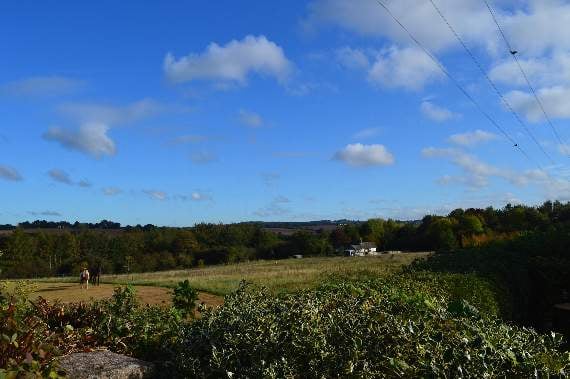
I object to the proposed inclusion of this piece of ground at Greytree in the Neighbourhood Plan for many reasons, including the following:
Traffic access to the site along Second Avenue would not be a problem. However, major traffic problems would occur on the narrow Greytree Road leading to Homs Road, and also on Brampton Hill. These roads are already inadequate, over used and dangerous.
Any residential development would seriously affect the wildlife that inhabits and feeds on the fertile grassland.

To a casual observer, or even a visiting environmental expert, it may not appear to have much to commend it. But, in fact, it is a vital part of many animals’ habitat and is an area that must be protected.
Periodically, up to 250 jackdaws visit and feed on the insects and grubs in the turn, and sleep in the adjacent woodland.
Green woodpeckers feed on ants living in the old pasture.
In the early Spring, up to 25 pheasants congregate on the meadow to sort out their mates. Magpies assemble on the turf for the ame reason.
Lapwings, crows, ravens, collared doves, yellow and pied wagtails, partridges, mallards, and other birds visit. Summer migrants, chiffchaff and whitethroats nest in the surrounding trees and hedges.
Swallows, house martins and swifts feed on the flying insects that live in the grass. A small flock of starlings feed on insects disturbed by grazing horses.
Numerous small birds live in the hedges and woodland around the field. Wrens, robins, house sparrows, dunnocks, gold finches, chaffinches, green finches, linnets, longtailed tits and great, blue, and coal tits feed and nest in the surrounding areas.
Any change and disturbance created by housing development would seriously damage the environment for these birds and animals, which are all in decline nationally.
This proposed change in use would have such an adverse effect on the environment and its wildlife that it cannot be accepted.
Tim Ward
Ross-on-Wye
Comments
This article has no comments yet. Be the first to leave a comment.