

Simon Cutter of Model Farm in Ross is just one of the 45 tenant farmers who may be affected if a decision to restructure the Council’s smallholdings estate, selling some but retaining most of them, is not upheld by the Council’s cabinet when they meet in December.
In a meeting, held at the Shire Hall on October 27th, the general overview and scrutiny committee of Herefordshire Council reviewed the findings of the task and finish group on the smallholdings estate. They then made a recommendation to undertake the structured partial sale and retain a reduced estate, along with five more recommendations.
Mr Cutter has been at Model Farm, one of the County’s handful of tenanted farms, since 1988. He told the Ross Gazette that he is not from a farming family and the only way he could gain entry into the industry was through a county council tenancy. He said there was enough competition then to get a place but it is much more difficult now for young people wanting to break into the industry.
Many smaller farms have been swallowed up by larger concerns in order to make them more viable from a business angle leaving few opportunities for new farmers to get started.
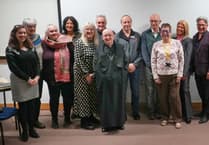



Mr Cutter told the Ross Gazette that the concern for tenant farmers whose farms may be sold to new landlords is that if landowners want the best return on their investment in the land they will be looking at farms growing cash crops, such as crops used in digesters, and potatoes. These farms can pay a rent of about £400 an acre. A more traditional, mixed farms can only pay about £100 an acre.
He said that some landlords, such as the Duchy of Cornwall, take a longterm view and accept that they will take a lower rent to ensure that smaller farms are viable and sustainable.
Mr Cutter told the Ross Gazette about a friend whose land was sold to a Russian invester and put in the hands of a land agent. The farmer was then asked to pay treble the rent he was currently paying, an amount out of reach if he wanted to continue running his farm in the way he wanted to.
Model Farm, Mr Cutter said, was an example of the wealthy demonstrating social responsibility following the Crimean War. Landowners designated areas of farmland and built simple houses and other buildings to provide soldiers returning from the Crimean War with a means of supporting themselves and their family. Over time councils took over the ownership of the farms and Mr Cutter said as they acquired them in this way they should retain them and run them as a means of showing their social responsibility. He said farms like this are part of our heritage.
Another Ross farmer, and NFU county chairman, Julian Partridge, is hoping that when the issue of keeping or selling the County’s estate does come before the Cabinet Herefordshire Council will keep as many of its tenant farms as possible after councillors agreed to drop a recommendation to sell the entire estate. He said: “While agriculture can often be a difficult industry to break into without significant amounts of capital, the county farms system is an invaluable route for new entrants.”
NFU members and county estate tenants attended yesterday’s meeting and the committee’s decision will have eased some of the pressure, but many tenant farmers still face an uncertain future until a final decision is made. The NFU has repeatedly asked councillors to work with the tenants, to improve estate management and not to view the farms as a balance sheet asset, to be sold for short term gain.
The union remains convinced the Herefordshire county smallholdings have a lot to offer in meeting the council’s corporate plan objectives as, if managed properly, the farms could bring economic and social benefits and help the county remain attractive to young people.
Clare Greener, Herefordshire NFU adviser, said the focus was to continue to do as much as possible for tenant members and make the case for those farming families affected; ahead of the cabinet decision in December. She said: “There was good support at the meeting from the tenants and while the committee vote was tight this is a step forward, however, there’s still a long way to go and it is not a full reprieve.
“Even if we are successful in making the argument that a county estate should be retained some of the estate’s assets will be sold and we will seek further details of this in due course.
“Herefordshire is a rich farming county and would be poorer without the farm estate; if the farms are managed well they could be vital for the next generation looking to get a foot on the farming ladder.
“We understand there are pressures on council budgets but we hope the authority will see the estate as a valuable resource, that properly managed can provide sustainable long term income.”
The union is strongly in favour of regularly assessing the business plans of tenants, including how the progression and exit aspirations would be achieved.
Comments
This article has no comments yet. Be the first to leave a comment.